
There might be a real drought in London right now, but we have been in a Phoebe Bridgers drought for six long years. Since the release (and success) of ‘Punisher‘ in 2020, we haven’t had any new solo music from our favourite indie folk songwriter. Six years is a long time in today’s music industry terms, but – hear me out – what if that’s actually a really good thing?
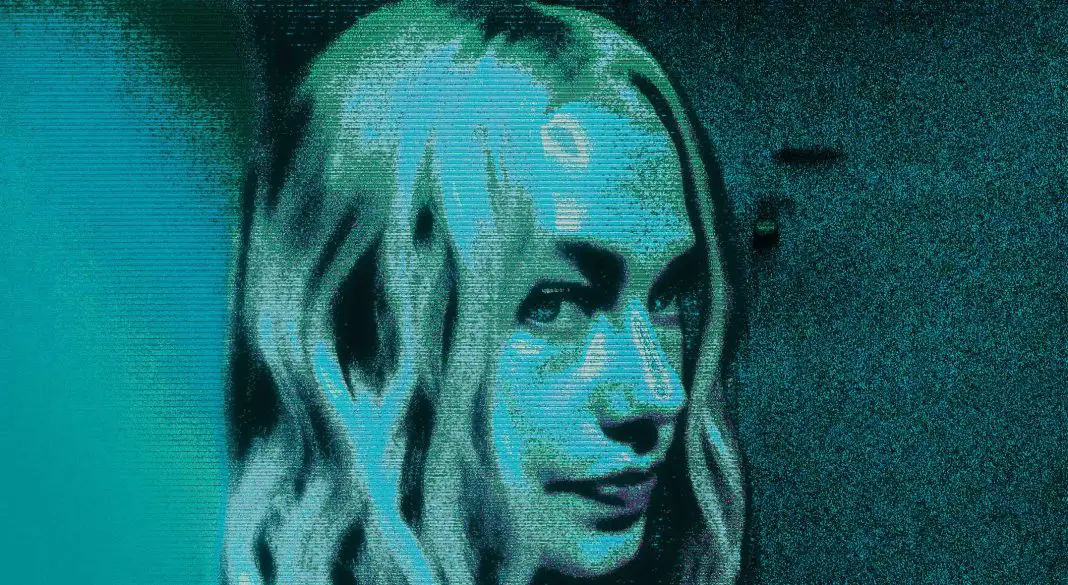
These days, everything in music moves fast. A record is released, an artist tours for months, then they’re expected to lock themselves in the studio and get something new out before they’ve had a chance to live their actual life. Artists promote incessantly, both in the press and on social media, leaving very little room for interpretation or mystery. No shade to them – it’s harder to make any money or impact in the industry than ever, and there are new standards to uphold. But everything about the rollout for Phoebe Bridgers’ third record, ‘Lost Weekend’, has felt like it’s setting a different, slower standard.
The album’s tracklist just dropped, and it’s a whopping 16 tracks long, or three sides in vinyl terms. We don’t know the exact length yet, but it’s unlikely to be as short as, say, Charli XCX’s ‘Music, Fashion, Film’ at a speedy 30 minutes, or Lorde’s ‘Virgin’ at 35. A 16-track record allows time to actually sit with the music and get to know it. With four tracks that include the word ‘lost’ – the previously released ‘Lost Boys’, plus ‘Lost Weekend’, ‘Lost Parade’ and ‘Lost Weekend (Reprise)’ – it seems there’s a theme emerging which fans will want to spend time dissecting.
Music listening habits have changed, in part because our relationship to attention has changed. Fewer people report listening to albums in full, as the artist intended, than ever. As a result, many artists have resorted to trying to grab listeners’ attention, just a few seconds at a time. But instead of meeting us where we are, Bridgers has invited us to regain our own attention and meet her where she is.
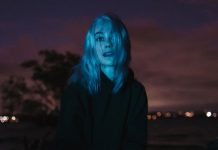
Maybe we’ll see her getting involved with TikTok trends to promote the record, but based on the rollout so far, it seems highly unlikely. In the last six years, Bridgers has rarely posted on Instagram to her three million followers, only recently even switching from the default profile picture to a blurry one of her from the ‘Lost Weekend’ announcement. She uses the account, which is clean except for album promo, sporadically. Fans have to wait to hear a word from Bridgers, which it turns out might be a more effective promotion strategy than bombarding them constantly with ten-second clips, whether or not that’s the intention.
To accompany ‘Lost Boys’, Bridgers released a full-length music video. With the death of music video channels and the rise of short-form video and album ‘visualisers’, fewer artists put as much emphasis on creating music videos as they once did (PinkPantheress’ ‘Girl Like Me’ is one notable recent exception). The ‘Lost Boys’ video, directed by Lance Oppenheim and Pablo Rochat, sees Phoebe in a full current-day medieval fantasy. With sword fights, headgear and lots of cigarettes, it feels pulled from a different time. Not the deep past, though, but a time when we would sit rapt in front of the TV when a new video by our favourite artist dropped.
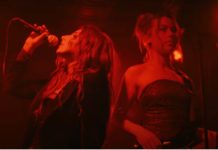
Of all the ways Bridgers’ rollout is unique, one way has been pretty divisive. Before ‘Lost Weekend’ was announced, Bridgers played shows in Roswell, New Mexico, and in Lubbock, Texas. The shows were announced by fliers which were then circulated by fans just days before they were due to take place. At the shows, phones were explicitly banned, with Yondr pouches passed out to fans. Bridgers played a mix of greatest hits alongside four new songs both nights, and the new songs’ titles were not revealed until later.
Fans who were at the shows described an atmosphere that sounds peaceful, non-competitive, and genuinely engaging. Without the usual wall of phones in front of their faces or people jostling to have the best view to take photos from, fans were allowed to be completely present. Still, that didn’t stop people from getting angry about the no-phones policy when the tour was rolled out more widely. Some did have genuine concerns around their disabilities. Others, it seemed, didn’t want to go anywhere if they couldn’t prove that they had been there.
More than anything, by leaving six years between albums, and several between shows, Bridgers presumably had the chance to do something that few artists get to do anymore: live. Her albums are deeply intimate and personal, based on her own relationships and experiences. How could she possibly bring us a good one if she didn’t have time to do those things? More than that, to do them properly, without feeling self-conscious or like she had to perform for an audience. By slipping away from social media, from the public eye and from the music industry, Bridgers will likely have lived just enough to give us material that is truly worth listening to and engaging with.
She is likely doing all of this just for herself: for her own artistic fulfilment, to enjoy her own life, to engage with the industry and with fandom in a way that feels comfortable. But in doing so, she’s setting a different pace, showing artists and fans that it is possible to do things the old way. It is still possible to listen to an album front to back, to not watch shows through your phone, to wait to hear from a musician in their own time. Not only is it possible, maybe it’s also much, much more enjoyable for everyone.